Let me be honest with you from the start. When I first heard about minimalism, I thought it was just for those Instagram influencers with their perfectly white walls and two carefully placed succulents. You know the ones I’m talking about! As a Bengali mum with four kids ranging from 18 to 4, living in London, I couldn’t see how this lifestyle could possibly work for me. My house looks like a tornado hit it most days. This is my honest guide to minimalism for beginners, written for real homes and real families, not curated feeds.
But here’s the thing, after years of running my own bridal beauty business, juggling four kids, and trying to build multiple online businesses from home, I was drowning in STUFF. And more importantly, I was drowning in the stress that comes with managing all that stuff. Something had to give.
What Actually Is Minimalism? (And What It’s NOT)
Let me clear something up straight away…minimalism isn’t about living with just 100 items or having a house that looks like a show home. Trust me, with four kids, that’s never happening in this lifetime!
Minimalism, at least the way I’ve come to understand it through my own journey, is about being intentional with what you keep in your life. It’s about reducing the excess so you can focus on what truly matters. Whether that’s your family, your faith, your goals, or simply having a bit of peace in your daily routine.
For me, as someone who believes strongly in Islamic principles, minimalism actually aligns beautifully with faith. It’s about being content with what Allah has provided and not being attached to material possessions. The Prophet (peace be upon him) lived simply, and there’s something deeply spiritual about removing the clutter that distracts us from what’s truly important.

From Beauty Business Chaos to Mindful Living
The Breaking Point
Picture this…it’s 2023, and I’m running around my house looking for my henna supplies for a client appointment. I’ve got makeup products scattered across three different rooms, hair tools everywhere, and don’t even get me started on the kids’ toys situation. My 4-year-old (then 3 year old) is crying because she can’t find her favourite teddy, my teenager can’t find clean school uniform, and I’m about to have a complete meltdown.
That was my wake-up call. I’d built a successful bridal beauty business over 16 years, but I was drowning in the physical and mental clutter that came with it. Add to that my new ventures into print-on-demand, social media marketing, and digital design work, and my house had become a storage unit for my various business endeavours.
Where to Start: The Baby Steps Approach
Step 1: Start with the Easiest Category (Not the Hardest!)
Here’s where I made my first mistake. I started with the kids’ toys. Big error! If you’re a parent, you’ll know that trying to declutter toys while children are around is like trying to fill a bucket with a massive hole in the bottom. They suddenly decide that broken toy they haven’t touched in months is their absolute favourite thing in the world.
Instead, start with something that’s purely yours and relatively easy to make decisions about. For me, that was my makeup collection. After 16 years in the beauty industry, I had products that were probably older than my youngest child!
I started by checking expiry dates, anything that was off went straight in the bin. No guilt, no second-guessing. Then I kept only the products I genuinely used and loved. The rest I gave to my sisters and friends in the beauty industry.
Pro tip: Start with expired items in any category…skincare, food, medicine. There’s no emotional attachment to something that’s gone off, so it’s an easy win that builds momentum.
Step 2: The “One Category at a Time” Rule
Don’t try to minimise your entire house in one weekend. I learned this the hard way when I attempted to tackle my wardrobe, the kitchen cupboards, and the kids’ bedrooms all in one Saturday. By Sunday evening, my house looked worse than when I started, and I was ready to give up entirely.
Instead, focus on one category at a time:
- All books (from every room)
- All clothes (yours first, then kids)
- All kitchen gadgets
- All beauty products
- All paperwork
This approach, which I learned from Marie Kondo’s method, actually works because you can see exactly how much you have of each type of item. When I gathered all my beauty products from around the house, I discovered I had 17 mascaras. SEVENTEEN! No wonder I could never find the one I was looking for.
Step 3: The “Does This Serve My Current Life?” Test
As a busy mum running multiple online businesses from home, I had to get practical about what stayed and what went. I developed what I call the “current life test”. Does this item serve the life I’m living right now, not the life I lived five years ago or hope to live someday.
For example…I held onto all my professional bridal makeup kits for months after I quit the business. They were expensive, and part of me thought I might go back to it someday. But every time I saw them, they reminded me of the stress and burnout that made me leave that industry. Once I sold them, I felt like a weight had been lifted.
The Islamic Perspective: Finding Balance in Simplicity
One thing that really helped me embrace minimalism was connecting it to my faith. In Islam, we’re taught not to be wasteful (Israf) and to be grateful for what we have. The concept of Zuhd (asceticism) doesn’t mean we can’t own nice things, but rather that we shouldn’t let material possessions control us or distract us from our spiritual goals.
I found that as I reduced my possessions, I became more grateful for what remained. My prayer space became clearer and more peaceful. I had more time for dhikr (remembrance of Allah) because I wasn’t constantly tidying and organising stuff.
There’s also something beautiful about being able to give more in charity when you’re not holding onto things “just in case.” I’ve donated bags and bags of clothes, toys, and household items to local mosques and charities. It feels amazing to know these things are being used by people who really need them.
Practical Tips for Busy Parents
The 15-Minute Rule
With four kids and multiple businesses, I don’t have hours to spend decluttering. Instead, I set a timer for 15 minutes and tackle one small area. You’d be amazed what you can accomplish in 15 minutes when you’re focused!
Some 15-minute wins:
- One kitchen drawer
- The bathroom cabinet
- One shelf in the bookcase
- The car (oh the things you find in there!)
- Your handbag (mine was basically a portable storage unit and was so heavy I hated carrying it around)
The “One In, One Out” Rule
This has been a game changer for maintaining the progress I’ve made. Whenever something new comes into the house…something else has to leave.
New book? Donate an old one. New toy for the kids? They choose one to give away. New piece of clothing? Something from the wardrobe goes to charity.
The kids initially resisted this, but now they’ve got used to it, and it’s actually helped them become more thoughtful about what they really want.
The Bengali Family Challenge
If you’re from a Bengali family like me, you’ll know that throwing anything away is practically a sin in the eyes of our parents! My mum still keeps plastic containers “for storing things” and has about 50 different-sized Tupperware boxes.
The key is to start with your own space and lead by example. Once my family saw how much calmer and more organised I became, they started asking for advice. My 18 year old now regularly declutters his room and even my husband has started questioning whether he really needs five different phone chargers.

Room-by-Room Guide
The Kitchen: Command Central
The kitchen was probably my biggest challenge because it’s where we spend most of our time. With four kids and a husband who loves a good gadget, our kitchen items had multiplied like rabbits.
What I kept:
- One good knife (not seven blunt ones)
- Two cutting boards (one for meat, one for vegetables)
- Essential pots and pans I use every day or for occassions (not every size ever made)
- Appliances I use weekly (goodbye bread maker I used twice)
The game-changer: I created “zones” for different activities. All baking supplies in one cupboard, all breakfast items together, all cleaning supplies in one place. Now the kids can find things themselves, and I’m not constantly playing kitchen hide-and-seek.
The Sanctuary (bedroom)
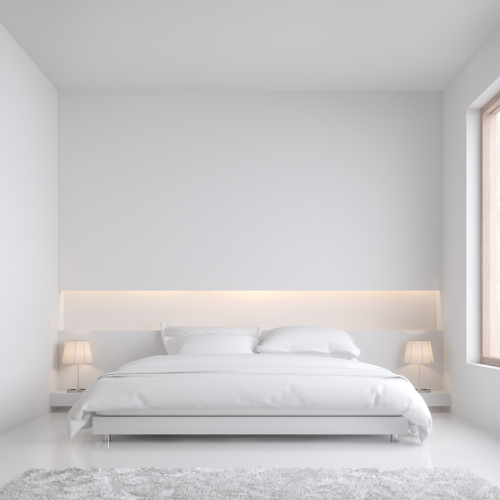
As parents, our bedrooms often become dumping grounds for everything that doesn’t have a home elsewhere. I’m talking about clean laundry that never made it to the wardrobe, random toys, work documents…you name it.
I made a rule…the bedroom is for sleeping, getting dressed and prayer (I have my prayer mat in there). Everything else had to find a proper home elsewhere. This took about two weeks to implement fully, but the difference in my sleep quality was immediate.
The Kids’ Rooms:
I saved this for last because, let’s be honest, it’s the hardest. Kids form emotional attachments to the weirdest things. My 6 year old once cried because I wanted to throw away a toilet roll tube shed decorated at school.
My approach:
- Let them lead the process (with guidance)
- Create three piles: keep, donate and bin
- Focus on making space for the things they love most
- Implement the “clean room, choose a new activity” rule
The key is involving them in the decision making. When my daughter chose which toys to donate, she felt proud that other children would enjoy them. It became about giving…not losing.
The Unexpected Benefits
More Time for What Matters
The most surprising benefit wasn’t having a tidier house (though that’s lovely)…it was having more time. When everything has a place, tidying up takes minutes instead of hours. I now have more time for my new blogging venture, for playing with the kids and crucially…for myself.
Better Mental Health
After losing my father in 2022, I was already dealing with grief and the emotional weight that comes with loss. Having a cluttered, chaotic environment was adding unnecessary stress to an already difficult time. Creating calm, organised spaces has genuinely improved my mental wellbeing.
Teaching the Kids Valuable Lessons
My children are learning to be more intentional about their possessions. They’re also learning the joy of giving to others. My 16 year old recently organised her own clothes donation to a local refugee charity because she wanted to help other children who had lost their homes.
Financial Benefits
When you know exactly what you own, you stop buying duplicates. I used to buy the same lipstick shade multiple times because I couldn’t find the one I already had. Now I know where everything is and I make more conscious purchasing decisions.

Mistakes!
Let me save you some time, energy, and sanity by sharing the mistakes I made so you don’t have to..
Starting with the absolute classic: trying to do everything at once.
I once decided I’d minimise the entire house in a single weekend. That was wildly optimistic, and it ended exactly how you’d expect…me exhausted, overwhelmed, and questioning all my life choices by Sunday afternoon.
Lesson learned: slow and steady wins the decluttering race.
Then there was the phase where I was far too ruthless, confidently decluttering things the kids actually needed and used. I’d forgotten that just because something doesn’t spark joy for me doesn’t mean it isn’t vital to the small humans who live here.
Another rookie error was bagging things up for charity and then leaving those bags in the hallway for weeks. I was congratulating myself on “decluttering” while simply relocating the mess. Now I know that if things are leaving the house, they actually need a destination and a drop-off plan.
Finally, I tried to apply cold, hard logic to sentimental items. That’s adorable in theory and impossible in practice, because some things are worth keeping purely for the memories. That’s why I now have a dedicated sentimental box for those bits and pieces. When I’m feeling nostalgic (or avoiding folding laundry), I’ll have a rummage and reminisce about the good old days…tea in hand, obviously!

How Minimalism Fits My Current Life
Running Online Businesses from Home
Since transitioning from my beauty business to online ventures like print-on-demand, social media marketing and now blogging…having a clutter free workspace has been essential. I can find what I need quickly…my mind feels clearer and I’m more productive.
My office space (which is actually a coffee table in the lounge) contains only what I need for my current projects. No old business cards from my beauty days…no craft supplies I might use someday…just my laptop, notebook, good lighting, and a plant for a bit of nature.
Managing a Large Family
With kids ranging from 4 to 18, everyone has different needs and belongings. Minimalism has helped us create systems that work for everyone. Each child has designated spaces for their things and they’re responsible for keeping those spaces organised. Well, most of the time.
The younger ones have fewer toys but they actually play with them more. The older ones have learned to be selective about what they bring into their spaces. My son is definitely a minimalist!
Creating Your Own Minimalism Rules
The beauty of minimalism is that it’s not one size fits all. You need to create rules that work for your family, your culture, your values and your lifestyle.
My family’s rules:
- Every item must have a designated home
- If something comes in, something else goes out
- We buy experiences over things when possible
- Sentimental items get special consideration
- Everyone is responsible for their own spaces
- We donate regularly and gratefully
Questions to ask yourself:
- What does “enough” look like for my family?
- What possessions align with my values and goals?
- How can I create more time and space for what matters most?
- What would make my daily routines easier and less stressful?

Seasonal Decluttering: Making It Sustainable
Instead of massive overhauls, I now do seasonal reviews:
Spring: Clothes rotation and kids’ toy assessment
Summer: Holiday prep…what do we actually need for trips?
Autumn: School supplies and activity gear
Winter: Making space for new year…just in case, new year new me haha!
This approach keeps the process manageable and prevents clutter from building up again.
The Cultural Balance: Honouring Heritage While Simplifying
Coming from a Bengali background, there are certain cultural items that are important to keep. Like traditional clothes for Eid and weddings, special cooking utensils for particular dishes, books in Islam for the children to learn.
The key is distinguishing between cultural items that add value to your family’s life and heritage and general clutter that you’re keeping out of guilt or obligation.
I kept my mum’s cooking pot, the one she gave to me. But I donated the random collection of plastic containers that Bengali families seem to accumulate (you know what I’m talking about!).

Technology and Digital Minimalism
As someone who works in digital marketing and social media, I also had to address digital clutter:
Phone apps: I deleted anything I hadn’t used in three months
Photos: I finally organised and backed up years of family photos
Email: Unsubscribed from lists that no longer serve me
Social media: Unfollowed accounts that made me feel inadequate or stressed
I’ve even took things one step further and deleted social media from my phone. Now whenever I want to scroll, I have to use my iPad, which I don’t use that often or keep with me on purpose! lol
Digital minimalism has been just as impactful as physical decluttering. Less time scrolling means more time for my family and my new blogging projects.
Starting Your Journey: Week by Week Plan
Week 1: Assessment and Quick Wins
- Walk through your home with fresh eyes
- Tackle expired items (food, beauty products, medicine)
- Clear one surface completely (kitchen counter, bedside table)
Week 2: Clothes
- Start with your own wardrobe
- Focus on items you haven’t worn in a year
- Try everything on…sizes change, styles change
Week 3: Books and Media
- Keep favourites and reference books
- Donate books you’ll never read again
- Consider digital alternatives for some items
Week 4: Kitchen and Household Items
- Check for duplicates
- Keep only appliances you use regularly
- Organise what remains into logical zones
Maintaining the Minimalist Mindset
The biggest challenge isn’t the initial decluttering…it’s maintaining the mindset long term. Here’s what’s helped me:
Regular check-ins: Monthly 15-minute sessions to reset spaces
Mindful purchasing: I wait 24 hours before buying anything non essential
Gratitude practice: Focusing on what I have rather than what I lack!
Family involvement: Everyone understands and supports the lifestyle
When Minimalism Gets Challenging
There are times when minimalism feels harder to maintain:
During illness: When everyone’s stressed, standards slip
School holidays: More kids at home means more mess
Busy work periods: When I’m focused on deadlines, organisation suffers
After losses: Grief can make decision making harder
I’ve learned to be gentle with myself during these times. Minimalism should reduce stress, not add to it.
The Ripple Effect
The most beautiful thing about embracing minimalism has been watching it positively impact other areas of my life:
Better relationships: More time and energy for family and friends
Improved health: Less stress, better sleep, more time for self-care
Financial freedom: Spending less on unnecessary items, more on experiences
Spiritual growth: Clearer space for prayer and reflection
Career success: More focused workspace leading to better productivity

Your Next Steps
If you’re feeling inspired to start your own minimalism journey, here’s what I recommend:
- Start small: Choose one drawer, one shelf, one category
- Be patient: This is a marathon not a sprint
- Include your family: Make it a team effort…not a dictatorship
- Stay flexible: Adapt the principles to your unique situation
- Celebrate progress: Acknowledge every small win along the way
Remember…minimalism isn’t about perfection…it’s about intention. It’s about creating space for what truly matters in your life whether that’s family time, spiritual practice, career goals or simply a bit of peace in your daily routine.
Final Thoughts: From Chaos to Calm
As I write this I’m sitting in my organised office space, which is really just my lovely couch. The kids are playing happily with toys they can actually find, and my husband just complimented me on how calm the house feels. This isn’t about having a show home (trust me…with four kids that’s never happening!) it’s about creating a foundation that supports the life we want to live.
Minimalism has given me something precious. It’s the mental space to focus on building my new online businesses, the physical space to enjoy my home, and the emotional space to be present with my family.
If a chaotic Bengali mum from London with four kids and multiple businesses can find calm through minimalism so can you. It’s not about being perfect…it’s about being intentional.
Start small, be patient with yourself and remember that every item you mindfully choose to keep or let go is a step towards a more peaceful, purposeful life.
What’s your biggest minimalism challenge? Have you tried any of these strategies in your own home? I’d love to hear about your experiences in the comments below…let’s support each other on this journey towards simpler and more intentional living!
Don’t forget to subscribe for more practical tips on creating a stress free home and building online businesses as a busy parent.
Love Shaz xx