After 16 years in the beauty industry surrounded by things followed by a complete career pivot and the chaos that comes with raising kids aged 4 to 18…I desperately needed some breathing room.
I’m Shaz and if you’d told me five years ago that I’d be writing about buying less things instead of promoting the latest beauty products I would have laughed so hard but here we are!
The journey to minimalism started out of necessity rather than choice.
After leaving my freelance bridal hair and makeup business in 2024, I found myself drowning in products I don’t use and general life clutter while trying to build new online businesses from home.
Something had to give.
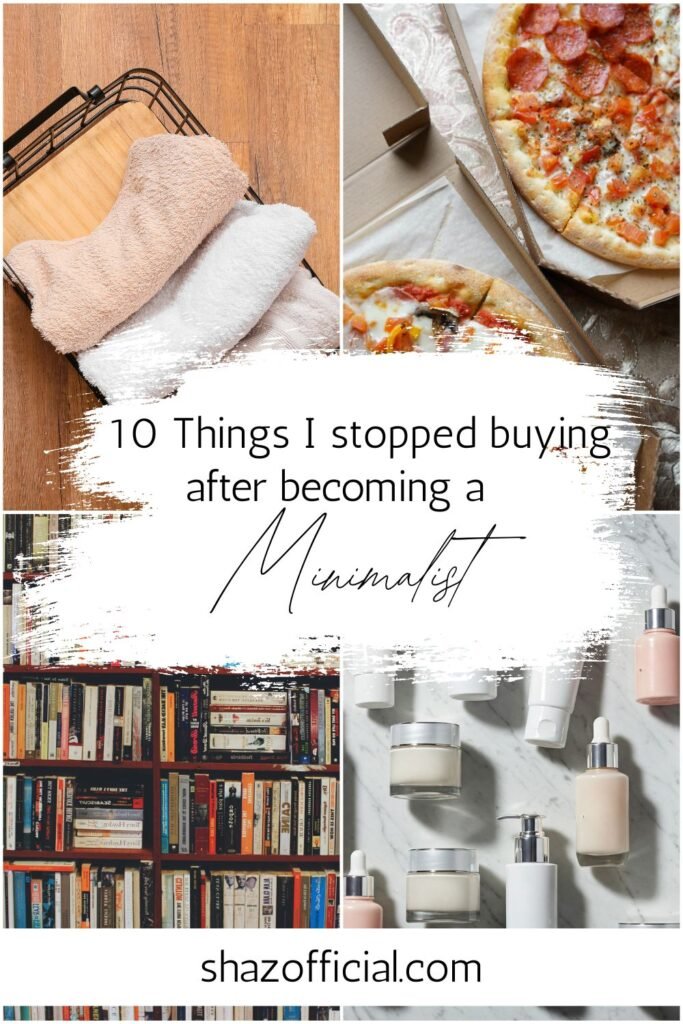
I’m sharing the 10 things I completely stopped buying after embracing a more minimalist lifestyle and I don’t miss a single one of them. Life has become so much simpler and my bank account healthier. My stress levels have been more manageable when you’re not constantly battling an avalanche of unnecessary purchases.
Why I Became a Minimalist
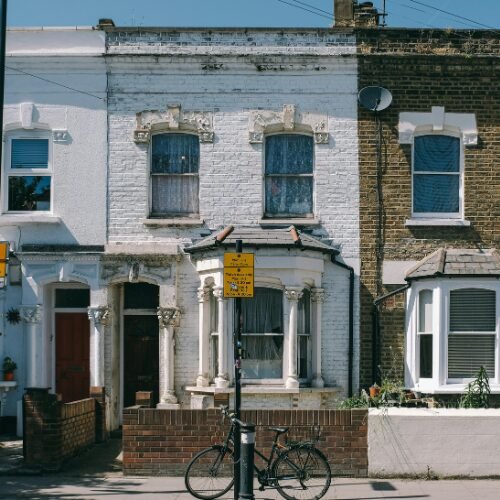
Picture a London home with six people: a former beauty business worth of products taking over the entire laundry and coat cupboard and me trying to work from home while managing everything from potty training to college stress.
As a Bengali British Muslim woman, I’d grown up with the concept of enough – but somewhere along the way, especially during my beauty business years, I’d lost sight of that value. The constant pressure to try new products, keep up with trends, and maintain a perfectly curated home had taken over.
Minimalism is a journey which I have been on for the last 10 odd years. When you go through a change, for example someone moves in or kids grow up a bit more where they need their own room for example; it feels like we need to start all over again with minimising and decluttering.
That’s when I decided to strip things back to basics. Not the Pinterest perfect minimalism with expensive white furniture (mine are white but from IKEA…not the sofa!) but real and practical minimalism for busy families.

The Life Changing Magic of Buying Less Stuff
This isn’t about depriving yourself or living like a monk. It’s about being intentional with your purchases and realising that most of the things we think we need are actually just wants in disguise.
Since embracing minimalism, I’ve:
- Saved about £3,000 annually on unnecessary purchases (and I have ADHD)
- Reduced my cleaning time by a lot! Less stuff, less sorting and cleaning
- Found it easier to focus on my new online businesses with time to spare!
- Feel less overwhelm in my daily life
- Had more money for experiences like family holidays
1. Multiple Cleaning Products for Every Surface
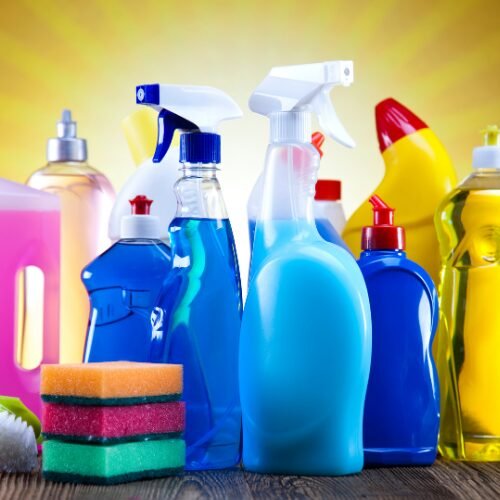
What I used to buy: Separate cleaners for glass, wood, bathroom tiles, kitchen surfaces, floors etc. My under the sink cupboard looked like a small branch of Wilko like for real!.
What I realised: Most cleaning jobs can be handled with three basic products: a good all purpose cleaner, floor cleaner and Bleach…That’s it.
The game changing moment: I was spending more time choosing which product to use than actually cleaning which was a hell no since I have 4 kids and loads of guests coming in and out, something needed to be done!
What I use now:
- All purpose cleaner I use Elbow Grease
- Floor cleaner I use is Asevi from B&M
- Bleach for the deep cleans of the toilet and random other uses
Annual savings: Around £200
Bonus: My 6-year-old can actually help with cleaning now because she doesn’t need to remember which product goes where. That’s a bonus!
2. Trendy Home Décor and Seasonal Decorations
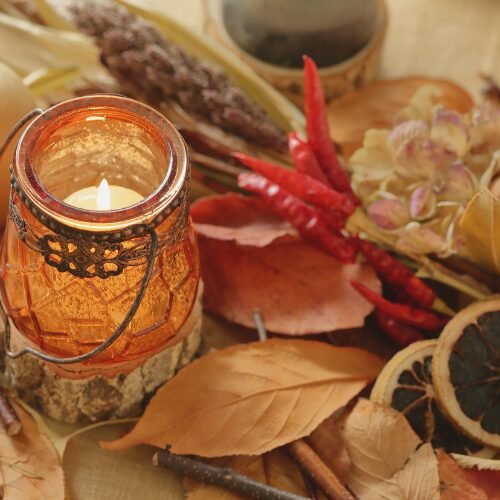
What I used to buy: New Eid decorations every Eid, Fresh birthday decor with different characters each time.
What I realised: Constantly changing décor was exhausting and expensive plus with young kids, most decorative items just became obstacles or breakage risks.
What I do now: I stick to neutral yet quality pieces that work for multiple occassions and can be packed away in 2 boxes…thats it! For deor, I like few faux plants (the ones that never die) and maybe some neutral art pieces that live on the wall for a long time.
Annual savings: £400-500
Unexpected benefit: My house actually looks more put-together now with fewer and better quality pieces.
3. Fast Fashion and Impulse Clothing Purchases
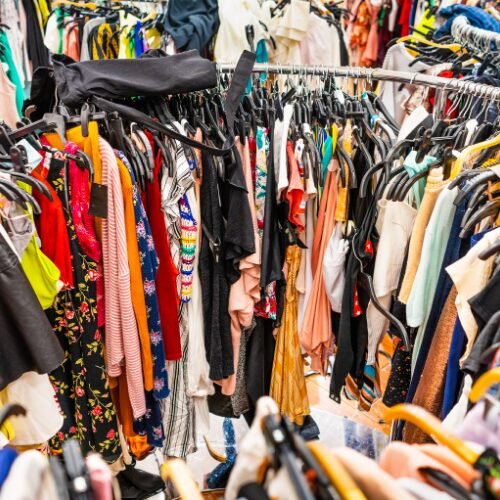
What I used to buy: Online shopping was my stress relief during the pandemic. ASOS sales, TIktok purchases…my wardrobe was stuffed with clothes I’d worn once or never.
What I realized: I was wearing the same 20% of my clothes 80% of the time. The rest was just expensive clutter taking up space and mental energy. When I actually lost weight, I removed all of my bigger clothes and now replaced them with quality pieces not Shein fast fashion impulse purchases.
My current approach:
- I follow the one in, one out rule now
- I wait 48 hours before buying anything not essential
- I ask myself: does it actually spark joy?
- I invest in quality basics rather than trendy pieces
Annual savings: £800-1000
Side benefit: Getting dressed is so much faster when you actually like everything in your wardrobe.
4. Excessive Beauty and Skincare Products
This one’s ironic coming from someone who spent 16 years in the beauty industry but hear me out…
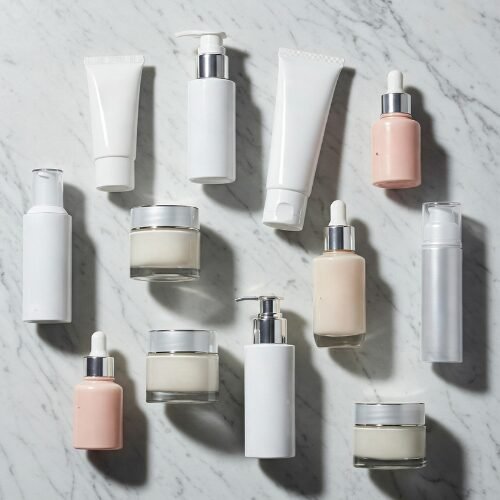
What I used to buy: Everything. New foundation launches, the latest skincare trends, backup products for my backups. My room looked like a small Sephora.
What I realized: I’ve never actually had skin problems (alhumdulilah) but working with so many clients in the past, I’ve realised that less is more sometimes. Especially when all these skincare products are packed with chemical ingrediants
What I use now:
- One cleanser: micellar water
- One day/night moisturizer which is Nivea at the moment
- One concealer and one foundation but only use them on special occassions
- Basic makeup essentials only for my daily makeup routine… bit of mascara, brow powder and powder foundation just for the under eye cos i don’t want to look sick haha
The results: My skin has never looked better and I’m spending like 5 minutes on my routine instead of 40.
Annual savings: £600-800
5. Kitchen Gadgets and Single-Use Items
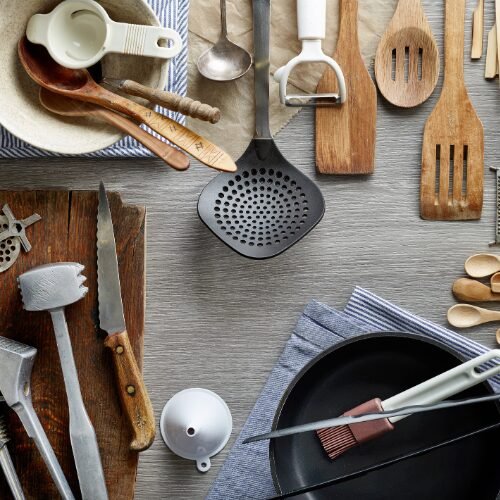
What I used to buy: Spiralizers, egg separators, avocado slicers, special storage containers for every type of food. If it promised to make cooking easier, I bought it…or my husband
What I realized: Most of these gadgets were taking up valuable kitchen space and rarely getting used. Plus they were actually making cooking more complicated because I had to remember what gadget to use for what task.
What I kept: One good knife, 2 cutting board, 2 cooking spoons, a few quality pans, one can opener and a potato peeler. That’s genuinely all you need for 90% of cooking tasks.
Cooking philosophy now: I cook mainly rice & curries now and a few simple dishes like pasta or bakes like lasagne, shepherds pie etc.
Annual savings: £200-300
Kitchen benefit: I can actually find things in my drawers now and cleaning up after cooking takes half the time.
6. Books I’ll “Definitely Read Someday”
What I used to buy: Every book recommendation from podcasts, social media or friends went straight into my Amazon basket.
What I realised: I was buying books faster than I could read them (I’m not much of a reader) and the pile of unread books was actually making me feel guilty rather than motivated.
What I do now:
- I listen to books instead of reading them
- I read digital books on my phone
- I finish one book before starting another
- I focus on books that directly help with my current goals
Annual savings: £300-400
7. Branded Names (When Generic Works Just as Well)
What I used to buy: Brand name painkillers, cleaning products, kids clothes, toiletries…basically, if it had fancy packaging and marketing, I assumed it was better quality.
What I realized: I was paying extra for logos and marketing budgets are not necessarily better products. This hit home when I realized I was buying Nurofen for £4 when the exact same ibuprofen was 50p in generic form.
The eye-opening moment: My 16 year old daughter pointed out that her £15 branded foundation from Boots was identical in ingredients to a £3 version from Superdrug.
What I do now:
- I compare ingredients lists instead of believing marketing claims
- Generic paracetamol works exactly the same as branded versions
- Supermarket own branded cleaning products are often made in the same factories
- I save the brand splurge for things that genuinely matter (like a good mattress or quality shoes)
The research habit: I do a quick research and check reviews before buying new unknown things
Annual savings: £400-600
Reality check: Nothing really changed for the worse when switching but my wallet has thanked me.
8. Storage Solutions and Organizing Products
What I used to buy: Random basket organisers, drawer dividers, clear containers, label makers…anything that promised to solve my clutter problems.
What I realised: I was buying storage solutions instead of addressing the real problem…too much stuff! It’s like putting a plaster on a leaky pipe.
The lightbulb moment: I spent more on organising products than I would have saved by just owning less stuff in the first place.
Current approach:
- Own less to organise less
- Use what I already have for storage (empty jars, pre owned baskets)
- Address the root cause (which is my buying habits) rather than the symptoms (the chaotic mess)
Annual savings: £200-250
Mental clarity: So much better when you’re not constantly battling clutter management systems.
9. Convenience Foods and Takeaway Coffees
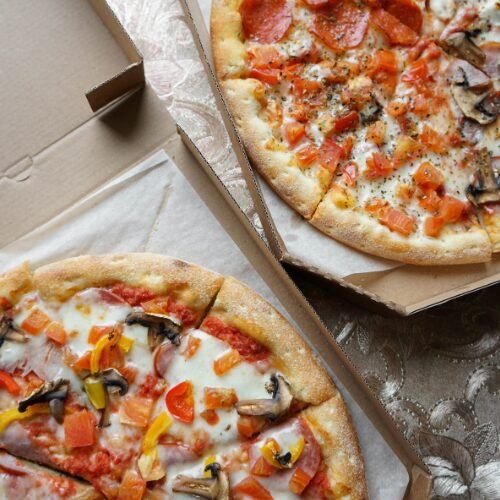
What I used to buy: Meal deals, individual snack portions, daily coffee shop visits. Anything that saved time was worth the premium no?
What I realised: The time I was saving was minimal but the cost was adding up to more than our monthly grocery budget.
The calculation: My husbands daily coffee shop habit alone was costing £100+ monthly. That’s £1,200 a year on drinks we could make at home for £200.
What changed:
- We make our own coffee from home for my husband, I’m a tea drinker
- Cooking fresh when needed
- We buy whole vegetables and some bulk in frozen that we use often just not often enough
- Bulk buying saves money and reduces packaging waste
Annual savings: £1,500-2,000
10. Impulse Purchases for the Kids (This is the Hardest One!)
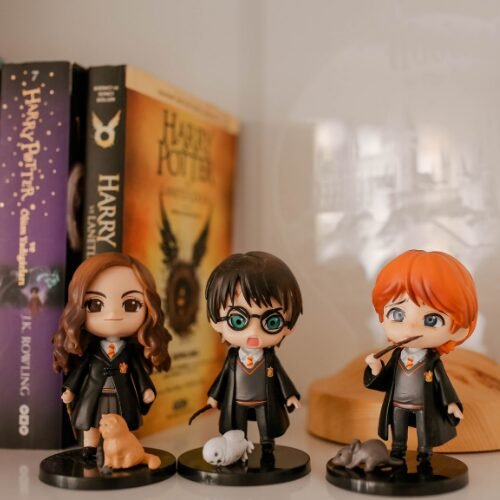
What I used to buy: Every toy that caught their eye in shops, random craft supplies, clothes they’d outgrow in months and gadgets they’d use once.
What I realised: I was teaching my children that every want should be immediately satisfied and honestl they were more overwhelmed by choice than excited by new things.
The guilt factor: This was the hardest category to change because saying “no” to your kids feels mean especially when you can afford it.
The new approach:
- Wants go on a list and we review it
- Birthday and Eid gifts are more meaningful when they’re not competing with constant small purchases
- Experiences over physical gifts
What I learned: My children are actually happier and more creative with fewer toys. They play more imaginatively and take better care of what they have.
Annual savings: £800-1,000
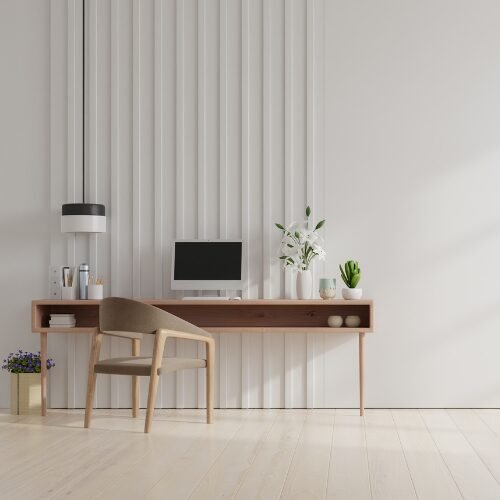
The Unexpected Benefits of Buying Less
Since embracing this minimalist approach I’ve discovered benefits I never expected:
Mental Clarity
Less stuff means fewer decisions. Fewer decisions mean less mental fatigue. Less mental fatigue means more energy for the things that actually matter…like building my new online businesses and being present with my family.
Better Financial Security
The money I’m not spending on unnecessary items goes straight into savings and investments. We’ve built a proper emergency fund for the first time in years.
Teaching Moments
My kids are learning valuable lessons about money, contentment, and environmental responsibility without me having to lecture them. They see the benefits of owning less in our daily life.
More Time for What Matters
Less time shopping, organising, cleaning and managing stuff means more time for family activities, personal development and building my businesses.
Environmental Impact
As a Muslim, I believe in being a good steward of the Earth. Buying less means wasting less and taking only what we need.
Common Challenges (And How I Handle Them)

But What If I Need It Later?
This was my biggest mental hurdle. The solution…I keep a list of things I think I might need and review it monthly. 90% of items never get used and eventually get deleted from the list.
Social Pressure
When friends are showing off new purchases it’s tempting to join in. I’ve found that sharing my savings goals and family experiences instead redirects conversations in a more meaningful direction.
Kids Peer Pressure
This is ongoing. We talk openly about different family values and how some families prioritise different things. I focus on ensuring my kids don’t feel deprived while maintaining our principles.
Sales and Good Deals
A good deal on something you don’t need is still a waste of money. I’ve learned to ask “Would I buy this at full price?” If not…I don’t need it on sale either.
Tips for Getting Started
If this resonates with you but feels overwhelming, start small:
- Pick one category from my list and try it for a month
- Track what you don’t buy…you’ll be amazed at the savings
- Find alternatives before restrictions (library books instead of buying, borrowing instead of buying)
- Include your family in the conversation and goals
- Focus on the benefits rather than the restrictions
The Islamic Perspective on Minimalism
From an Islamic standpoint, this lifestyle aligns beautifully with concepts of moderation (wasatiyyah) and avoiding excess (israf). The Prophet Muhammad (peace be upon him) emphasised taking only what we need and being grateful for what we have.
There’s something deeply spiritual about clearing physical clutter that helps clear mental and spiritual clutter too. It’s created more space in my life for prayer, reflection and gratitude.
What I Do Buy More Of Now
Minimalism isn’t about deprivation…it’s about intentionality. Here’s what I invest in more now:
- Experiences: Family trips, days out, activities that create memories
- Quality over quantity: Better items that last longer
- Education: Courses for my online businesses, books I’ll actually read
- Health: Better food, healthcare, wellness activities
- Charity: More money available for zakat and helping others

The Future of Our Minimalist Journey
This isn’t a destination but a ongoing journey. As my children grow and our circumstances change so will our needs. The key is maintaining the mindset of intentionality rather than impulse.
My youngest has started school, which means less spending on home activities and more focus on supporting her learning journey.
It’s Not About Perfect…It’s About Intention
I’m not a perfect minimalist (does that even exist?). Sometimes I still buy things impulsively, especially when I’m stressed or tired. The difference is that now I recognize it, learn from it and adjust.
The goal isn’t to own the least amount of things possible…it’s to own the right amount of things for your life and values.
As a busy mum trying to build new businesses while raising four kids in London, minimalism has given me something invaluable…space to breathe, think and focus on what truly matters.
Over to You!
I’d love to hear about your own minimalism journey or struggles with overconsumption. What’s the one category from my list that resonates most with you? Have you noticed any areas where you’re buying things you don’t really need or use?
Drop a comment below and let’s chat! And if you found this helpful, share it with another mum who might be drowning in stuff and looking for a way out.
Pin this post for later and don’t forget to subscribe to my newsletter for more practical tips on simple living, productivity and building online businesses as a busy parent.
What will you stop buying first? Let me know in the comments!